
If you’re deciding between a taxi and rideshare, you’re not alone. Most people aren’t loyal to a logo—they’re loyal to what feels easiest, safest, and most predictable in the moment.
Here’s a straightforward comparison of taxi vs Uber vs Lyft in Iowa, with the real-life situations where a local cab can be the better option.
Pricing: Predictable vs “It Depends”
Rideshare pricing can change quickly based on demand, time of day, weather, events, and driver availability. Sometimes it’s inexpensive. Other times it spikes.
A traditional taxi model is often simpler: the rate is the rate—and the biggest advantage is predictability. If you’ve ever watched a rideshare price jump while you’re standing outside trying to get home, you already understand why “no surprises” matters.
When a taxi can be the better pricing choice:
- When demand is high (events, bad weather, weekend late nights)
- When you want to avoid surge-style volatility
- When you prefer a clearer fare structure instead of constant fluctuations
Reliability: What “Reliable” Actually Means
Reliability is not always “fastest.” Reliability is confidence: knowing you have a real option, knowing who to contact if something goes wrong, and not feeling stuck.
A local cab company’s strength is that it operates like a transportation service—not an app marketplace.
That means:
- A dispatch team coordinating rides
- A local company accountable for outcomes
- Vehicles and drivers operating under set standards
When a taxi can be the better reliability choice:
- When you need a scheduled pickup (airport, early morning)
- When you want the option to call and talk to a real person
- When you need a dependable ride option for repeated use
Safety and Accountability: Who Do You Call If Something Happens?
Rideshare apps offer in-app support, but response time and resolution can vary. Taxis tend to be more service-business oriented: you can call dispatch, reach someone, and get help.
A taxi company’s safety approach typically includes:
- Driver screening and standards
- Vehicle maintenance routines
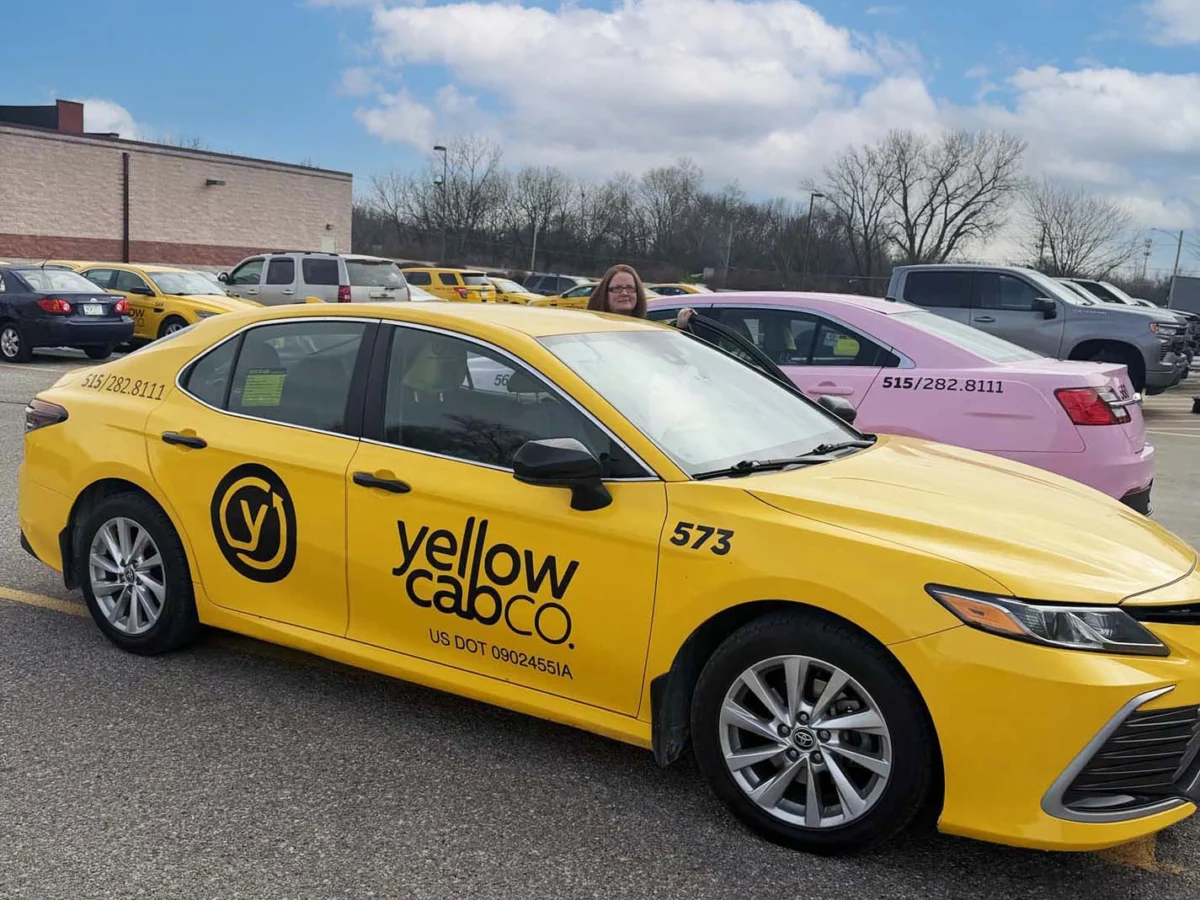
- Clear identification (marked vehicles)
- A support line for immediate issues
When a taxi can be the better safety choice:
- When you value clearly identifiable vehicles
- When you want a local company that can respond quickly to support needs
- When you want a consistent experience across rides
Cleanliness and Comfort: The Details People Don’t Think About Until They Need Them
Most people don’t think about cleanliness until they get into a vehicle that feels off. A professional cab company can set cleanliness expectations and reinforce them as part of the service standard.
If you care about a ride feeling professional—not random—this is a meaningful difference.
Local Advantage: The Human Factor
One of the biggest differences between a local cab company and a national rideshare platform is simple: local accountability.
Local transportation companies:
- Operate within the community
- Depend on reputation
- Provide lost-and-found support you can actually reach
- Are built for repeat riders, not one-time transactions
- Support local jobs through a long-time locally operated business
So…When Is a Taxi the Better Choice?
A taxi often wins when you want:
- Predictable pricing
- A real person to contact
- A professional, consistent experience
- A scheduled ride you can count on
- Local accountability
When Ride-share Might Be Better
Rideshare is a good choice when:
- You’re flexible on time
- You want to price shop quickly
- You’re in a dense area with lots of available drivers
Bottom Line
If you want the quickest tap-to-car experience and you’re okay with variability, ride-share can work well. If you want certainty, support, and predictable pricing, a taxi is often the better fit—especially for airport trips and planned rides.
Helpful Links
Upfront pricing in the app.
The Yellow Cab app makes booking simple. Request a ride in seconds, track your cab from pickup to drop-off, and keep ride details together.

Download the App
Download the Yellow Cab app to book faster, track your ride, and keep everything in one place. Predictable rides, real support. No surge pricing, no surprises.